Experiences in This Guide
- Traditional cooking class, Marrakech riad
- Argan oil cooperative, Essaouira region
- Berber village stay, Atlas Mountains
- Artisan workshop tour, Fes medina
- Private Gnawa music evening
- Hammam ritual & traditional massage
- Zellige tile & pottery workshop
- Souk navigation with a local guide
Most visitors to Morocco see the surface of the country. The souks, the mosques, the kasbahs — undeniably beautiful, but experienced at a remove, observed rather than felt. The Morocco that stays with you — the one that changes the way you cook, the way you listen to music, the way you think about craft and time and hospitality — requires a different kind of attention. It requires you to go in.
Moroccan culture is not a static display. It is a living thing: a cuisine that has absorbed Berber, Arab, Andalusian, and Jewish influences over twelve centuries; a musical tradition rooted in sub-Saharan spirituality; a craft heritage that has produced master weavers, leather tanners, zellige tile-cutters, and copper engravers working by techniques unchanged for 600 years.
The experiences on this page are not tourist performances. They are genuine encounters — with working artisans, with women who run cooperatives, with Berber families who invite you into their homes, with musicians for whom Gnawa is not a show but a prayer. This is the Morocco that lasts.
The Five Experiences
Moroccan Cooking Class in a Marrakech Riad
The class begins before the kitchen. Your guide leads you through the Marrakech souks in the early morning — the spice quarter first, cumin and ras el hanout weighed into paper cones; then the butcher's alley, the olive stalls, the preserved lemon sellers. You learn to shop for a tagine before you learn to cook one. Back in the riad, the kitchen belongs to you for three hours: chicken tagine with preserved lemon and olives, couscous with seven vegetables, bastilla dusted with powdered sugar. Then you eat everything you made.
Argan Oil Cooperative Visit
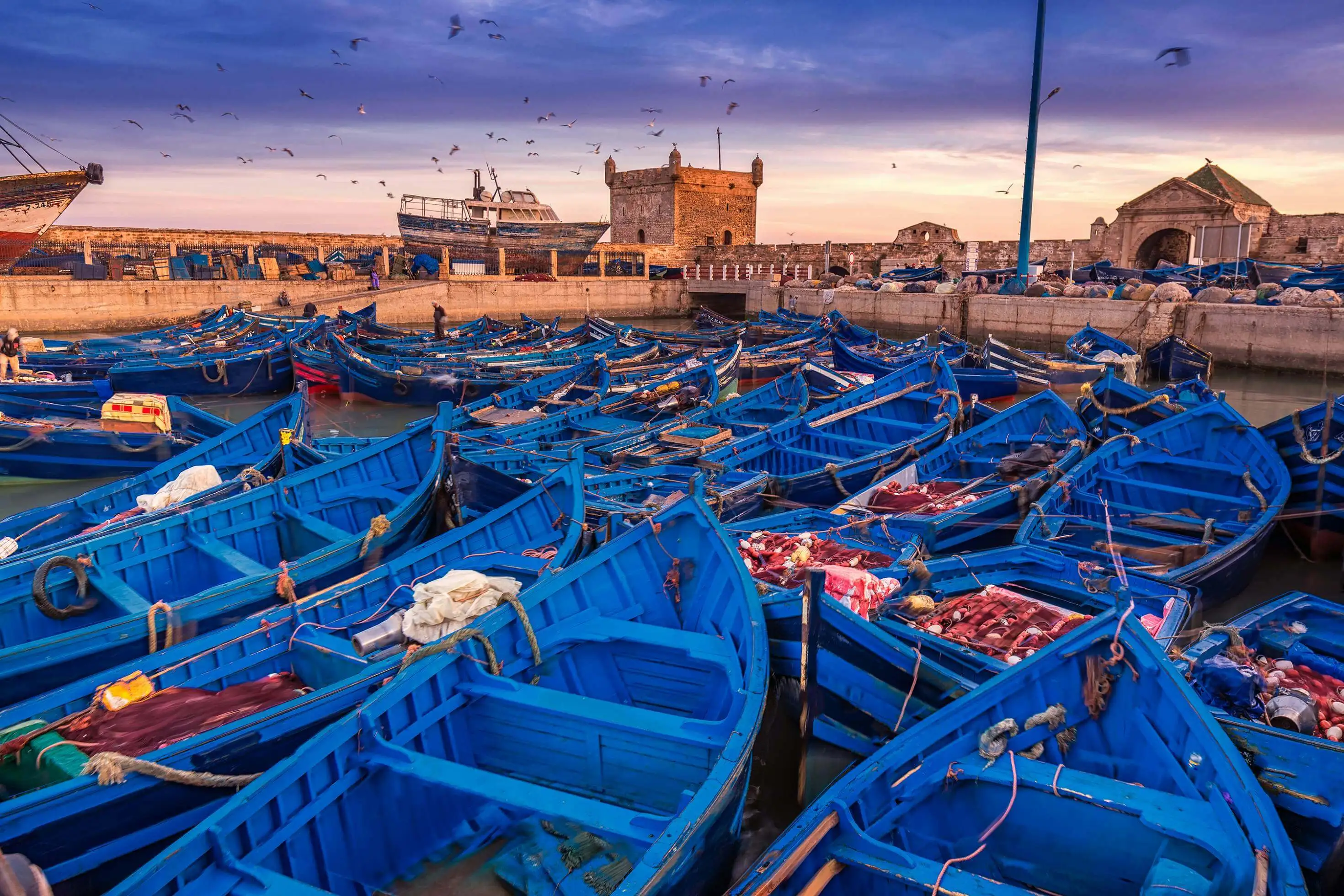
On the road between Marrakech and Essaouira, beneath a canopy of argan trees where goats climb the branches to reach the fruit, the cooperatives of the Souss-Massa region operate as they have for generations. A visit to one of our partner cooperatives — all women-run, all fair trade — shows you the full journey of argan oil: cracking the nuts by hand, stone-grinding the kernels, separating the oil by water kneading. You leave with oil you watched being made and an understanding of why it costs what it costs.
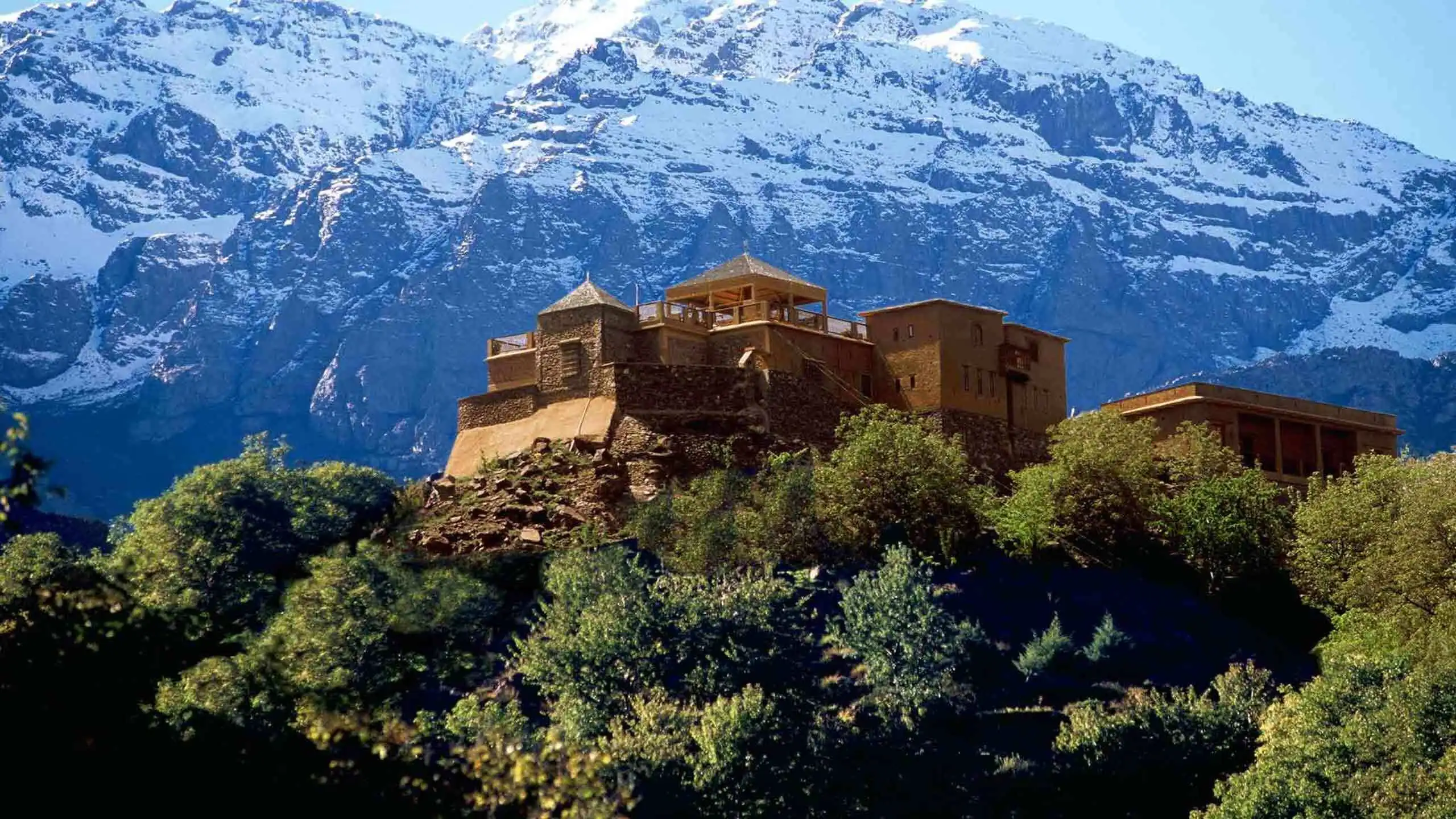
Berber Village Stay, Atlas Mountains
High in the Ourika Valley or the Aït Benhaddou plateau, Berber villages maintain a rhythm of life that the cities have left behind. An overnight stay — arranged respectfully through our local partners, with the full knowledge and benefit flowing to the host family — gives you evening bread baked in a clay oven, mint tea in a room with no WiFi, and the peculiar peace of waking in a mountain village where the loudest sound is a rooster.
Artisan Workshops in the Fes Medina
The Fes medina is the largest living medieval city on earth and its artisan quarters are its beating heart. A guided workshop tour takes you past the tourist route and into the working ateliers: a zellige tile-cutter chipping geometric patterns with a pointed hammer by eye; a copper engraver working a tray that will take three weeks to complete; a babouche slipper maker stitching by hand in a doorway wide enough for one person. In some workshops, you can try — a square of zellige, a line of copper engraving, a strip of leather weaving. The clumsiness of the attempt makes the mastery of the artisan newly visible.
Private Gnawa Music Evening
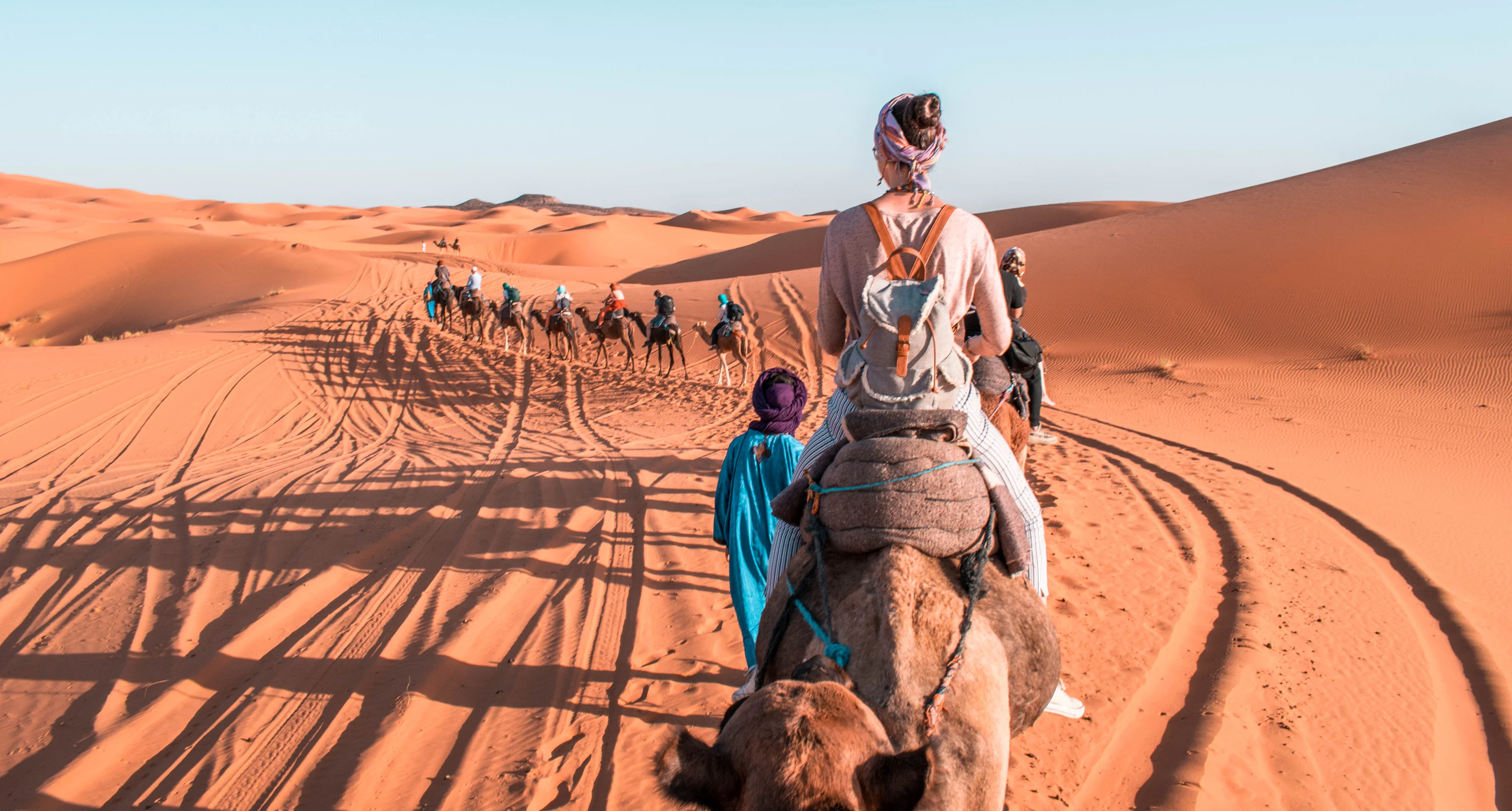
Gnawa music originates in the spiritual practices of sub-Saharan Africa, carried to Morocco through centuries of trans-Saharan movement. The guembri — a three-stringed bass lute — sets a hypnotic pulse beneath the iron krakeb castanets. The call-and-response singing builds until the room vibrates with it. A private Gnawa evening, arranged in a riad courtyard in Marrakech or Essaouira with a master musician and his troupe, is something you feel in the chest rather than simply hear.
Traditional Hammam Ritual
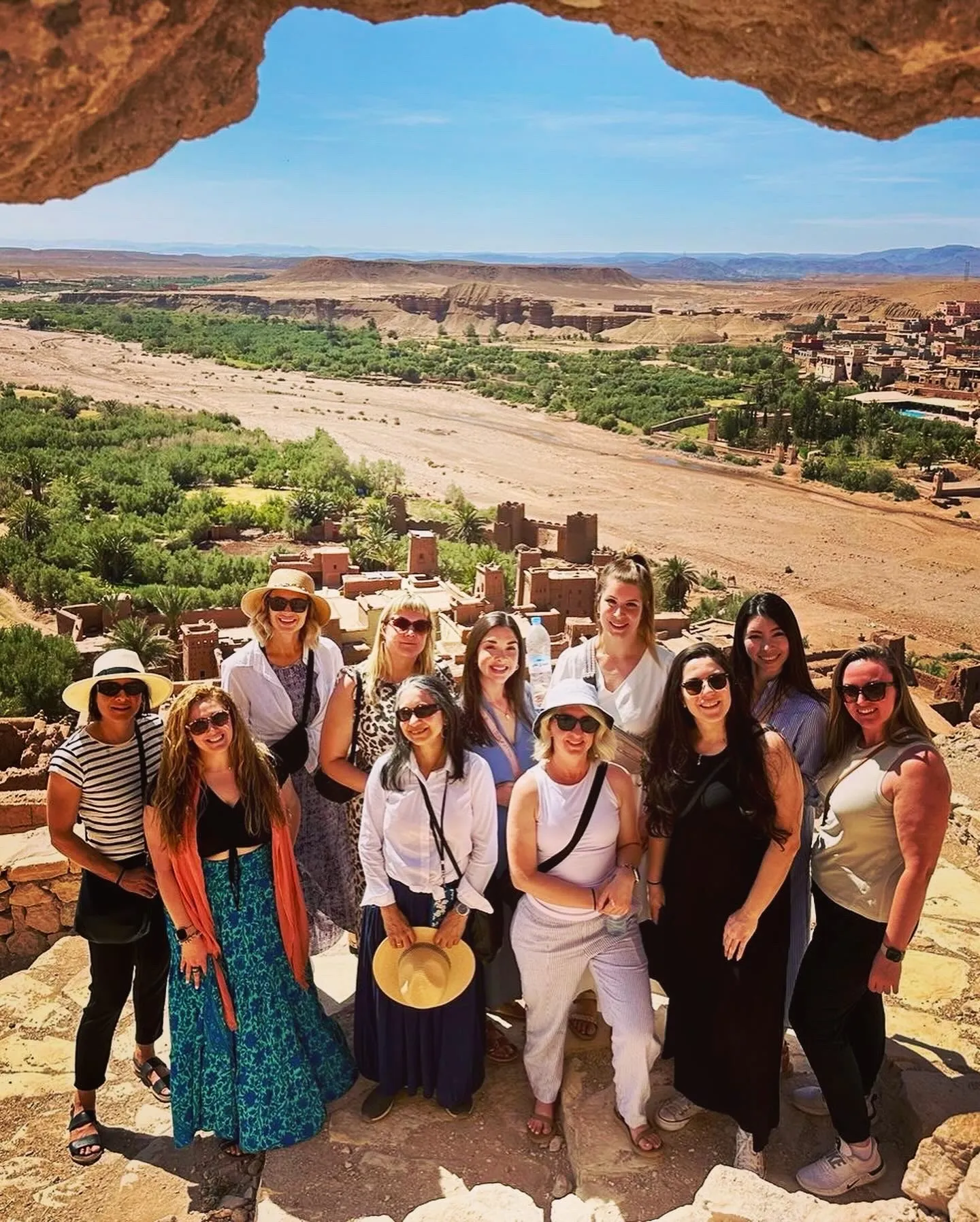
The hammam is not a spa. It is a centuries-old social institution — the neighbourhood bath, the place of purification, the weekly ritual that structures Moroccan life. A traditional hammam session involves three heat chambers of ascending temperature, black beldi soap applied by hand, a kessa mitt exfoliation that removes more dead skin than you believed possible, and a final cool rinse that leaves you feeling transparently clean. We arrange private hammam sessions in historic neighbourhood hammams away from tourist facilities.
Morocco's Living Crafts
Morocco's craft tradition — known as Moroccan artisanat — encompasses dozens of distinct disciplines, each with its own guild, its own quarter of the medina, and its own centuries-deep lineage. These are the crafts most worth seeking out — and understanding before you buy.
Hand-chipped geometric mosaic tiles. Each piece cut freehand to thousandths of a millimetre. Fes is its capital.
The Chouara Tannery in Fes operates as it did in the 11th century: pigeon dung, poppy, and saffron dyeing hides in stone vats.
Geometric and floral patterns engraved by hand into copper trays and lanterns. A single large tray takes 2–3 weeks.
Berber women's weaving encodes family history in abstract symbols. Middle Atlas wool carpets are among Morocco's finest exports.
Safi and Fes are Morocco's pottery capitals. The blue Fes pottery painted with natural cobalt is a 12th-century tradition still thriving today.
The Dadès Valley produces 95% of the world's rose water. In May, the harvest involves the entire valley — a spectacle and a scent unlike anything else.
"The zellige cutter had been working for forty years. He looked at the pattern, picked up his hammer, and cut a piece to shape in four strokes — by eye, by feel, with no measurement. I asked how he knew when it was right. He looked at me as if the question didn't quite make sense. 'It is right when it is right.'"
A Sample Cultural Day in Marrakech
This is how a full cultural immersion day in Marrakech might unfold when arranged by Sahara Trails — combining cooking, crafts, market life, and an evening of music.
The souks before 9am are a different world — quieter, more local. Your chef leads you through the spice quarter, olive souks, and fresh herb section. You learn what you are smelling and why it matters.
Tagine, couscous, and msemen bread. Approximately three hours of hands-on cooking with one-to-one attention from your chef. No fixed menu — the class adapts to what was freshest in the souk.
You eat everything you cooked, on the rooftop with views over the medina. Mint tea, a digestive pause, and a conversation with your chef about the food that shaped their childhood.
The leather-workers' souk, the dyers' quarter, the brass foundry. Your guide introduces you to artisans by name — people they have known for years — and you see work in progress rather than finished product.
A neighbourhood hammam reserved for your group. Black soap, kessa scrub, cool rinse. Approximately one hour. You emerge in a state of extraordinary cleanliness and mild euphoria.
Dinner in a riad courtyard, followed by a private Gnawa performance by a master musician and four-piece troupe. Begins quietly and builds. Often runs until midnight. Often guests don't want it to stop.
Practical Information
| Experience | Duration / Logistics |
|---|---|
| Cooking class | 3–4 hours including souk tour. Morning start recommended. Available year-round. Private groups of 2–10. |
| Argan oil cooperative | 1–2 hours. Best combined with an Essaouira day trip or en-route Marrakech–Essaouira drive. |
| Berber village stay | Minimum 1 night; 2 nights recommended. Requires advance arrangement — not available on same-day request. |
| Fes artisan workshop tour | Half day (3–4 hours) minimum; full day recommended. Requires a licensed Fes guide. |
| Gnawa music evening | 2–4 hours. Arranged in Marrakech or Essaouira. Private setting; minimum 2, maximum 20 guests. |
| Traditional hammam | 60–90 minutes. Private booking available. Men's and women's sessions can be arranged simultaneously. |
| What to wear | Modest, comfortable clothing for all cultural experiences. Remove shoes when entering private homes and many workshops. |
| Photography | Always ask permission before photographing artisans at work. In many workshops, photography is welcomed; in some, it is not. |
Frequently Asked Questions
What is included in a Moroccan cooking class with Sahara Trails? +
A Sahara Trails cooking class begins with a guided souk tour to source fresh ingredients — you buy what will go into the pot alongside your chef. Back in the riad kitchen, you spend 2–3 hours cooking with hands-on guidance, typically covering chicken tagine with preserved lemon, couscous, and Moroccan pastry such as msemen or bastilla. The class concludes with a full lunch of everything prepared, mint tea, and a recipe card to take home. Classes run for private groups of 2–10 guests and are available year-round in Marrakech.
Are the argan oil cooperative visits ethical? +
The cooperatives we partner with are women-run organisations operating under fair-trade principles outside Essaouira. Workers receive above-minimum wages, set their own hours, and cooperative profits fund community projects — schooling, healthcare, and housing support. We do not work with roadside tourist cooperatives where women are displayed as attractions without proper compensation or consent. Our visits are to genuine working environments, and women decide whether to meet guests at all. You will not be pressured to buy.
What is Gnawa music and how is a private evening different from Djemaa el-Fna? +
Gnawa is a centuries-old spiritual and musical tradition rooted in sub-Saharan Africa, carried to Morocco through the trans-Saharan trade routes. The guembri — a three-stringed bass lute carved from camel skin — underpins the music alongside iron krakeb castanets and call-and-response singing. What you encounter in Djemaa el-Fna is a tourist performance: short, visual, and disconnected from the tradition's meaning. A private Gnawa evening takes place in a riad courtyard with a master musician (maalem) and his troupe, lasts 2–4 hours, builds in intensity, and carries the weight of something that matters to the people playing it. The difference is not subtle.
How do Berber village stays work, and are they respectful to the community? +
Sahara Trails organises village stays in the Atlas Mountains and Draa Valley through long-standing relationships with specific communities and families. Stays are arranged with full community knowledge and direct financial benefit to the host family. We provide guests with a cultural briefing beforehand — appropriate behaviour, gift-giving etiquette, what to expect at mealtimes — and a local guide who speaks both Tashelhit Berber and English accompanies all visits. The families choose to participate; we never bring guests to villages without prior arrangement and consent. Most guests describe this as the single most meaningful experience of their Morocco journey.
Can cultural experiences be added to an existing private tour? +
Yes, all of the experiences described here can be woven into any Sahara Trails private itinerary. Most guests who book a desert tour or imperial cities circuit add a cooking class in Marrakech at the start or end of their journey, and many add the Gnawa evening as a final night in the city. Berber village stays and argan cooperative visits integrate naturally into circuits that pass through the Atlas or towards Essaouira. Contact our team and we will build them into your existing itinerary design.